
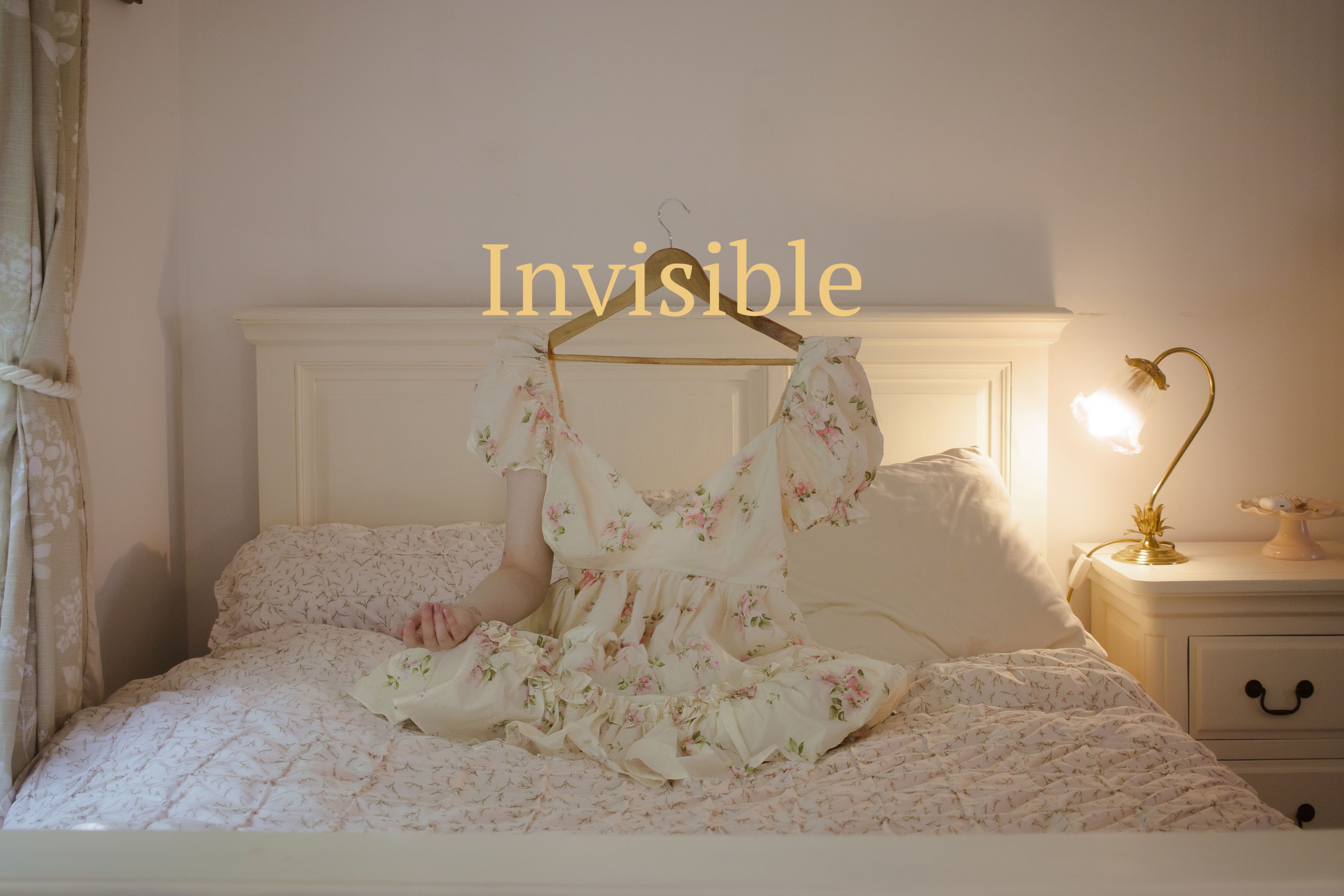

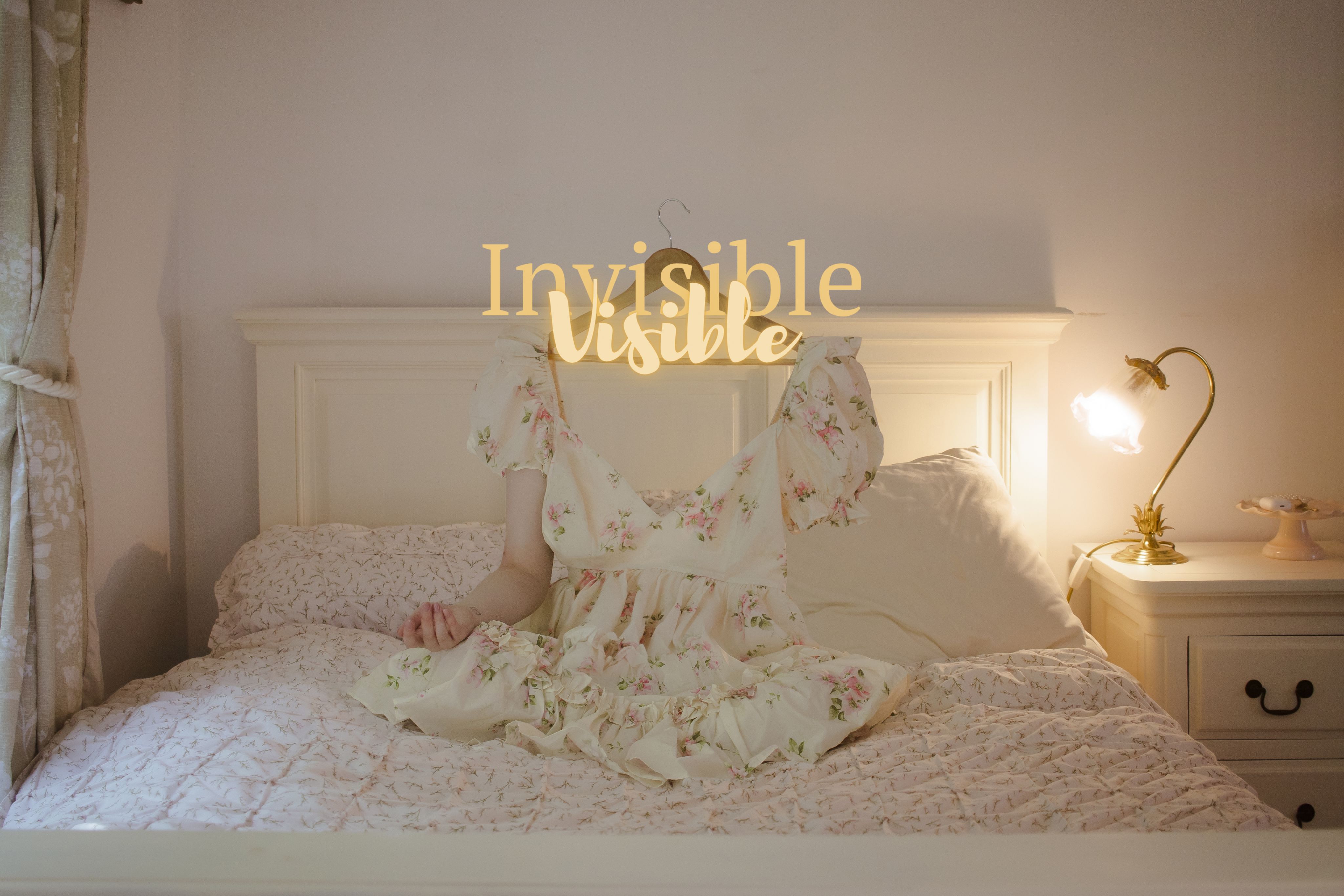
Being disabled can feel akin to being invisible and hyper visible without ever really feeling seen. Invisible Visible explores a visual journey behind the stories and testimonies from individuals on their experiences of being disabled in the workplace.
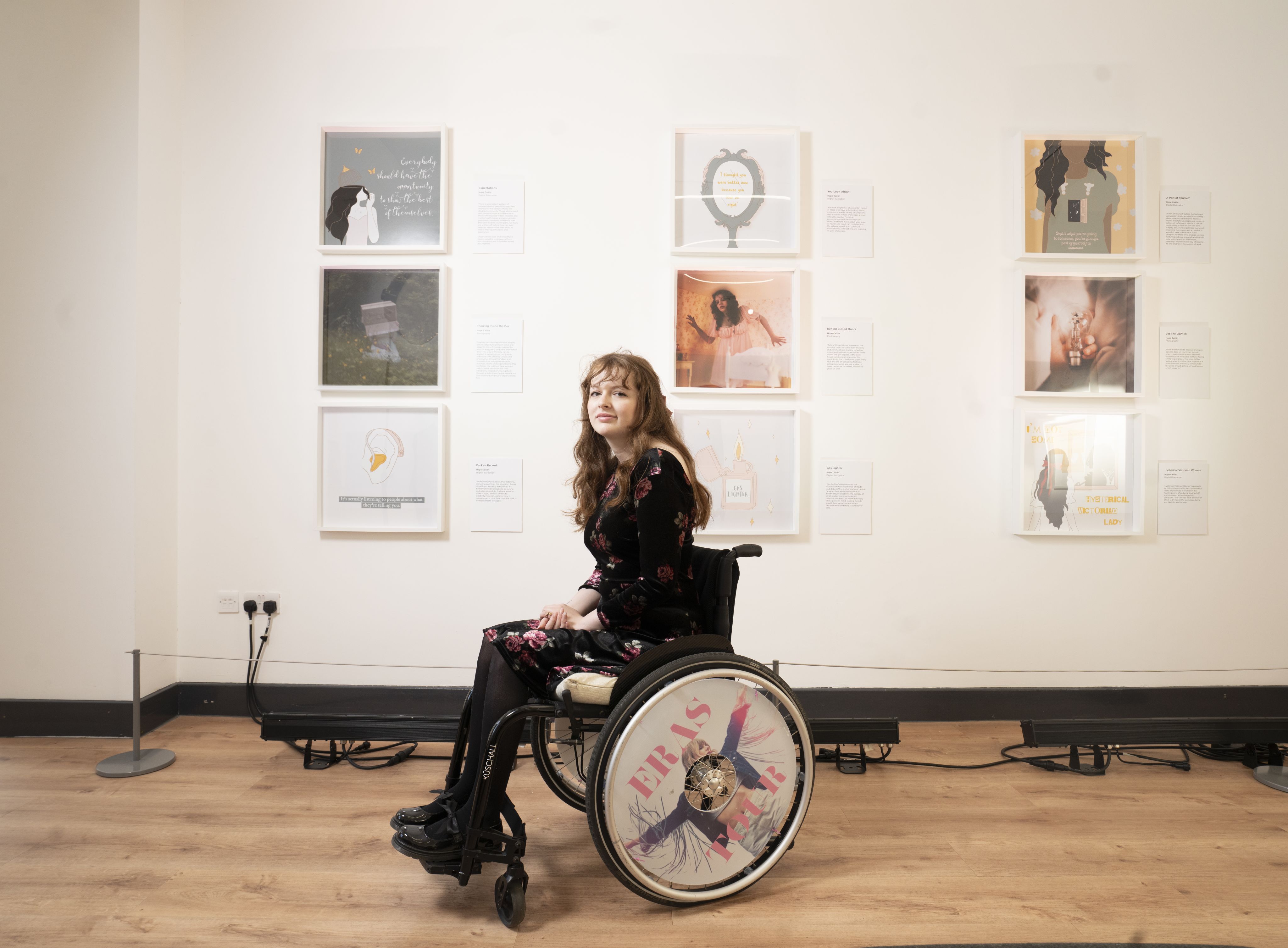
Invisible Visible is a collection of artworks by photographer and illustrator Hope Caitlin, originally created as part of arts education company Changing Relations' process of developing a disability policy.
As part of a placement working alongside Changing Relations' Managing Director, Lisa Charlotte Davis, Durham University student Millie Stott conducted interviews with seven individuals with lived experience of a range of disabilities, many of which would be likely to be invisible in their workplace.
To gain varied perspectives of inclusive workplace practices, we spoke to individuals within HR and recruitment, academic research, the culture sector, as well as a professional whose role involves supporting autistic individuals to access - and thrive within - the workplace.


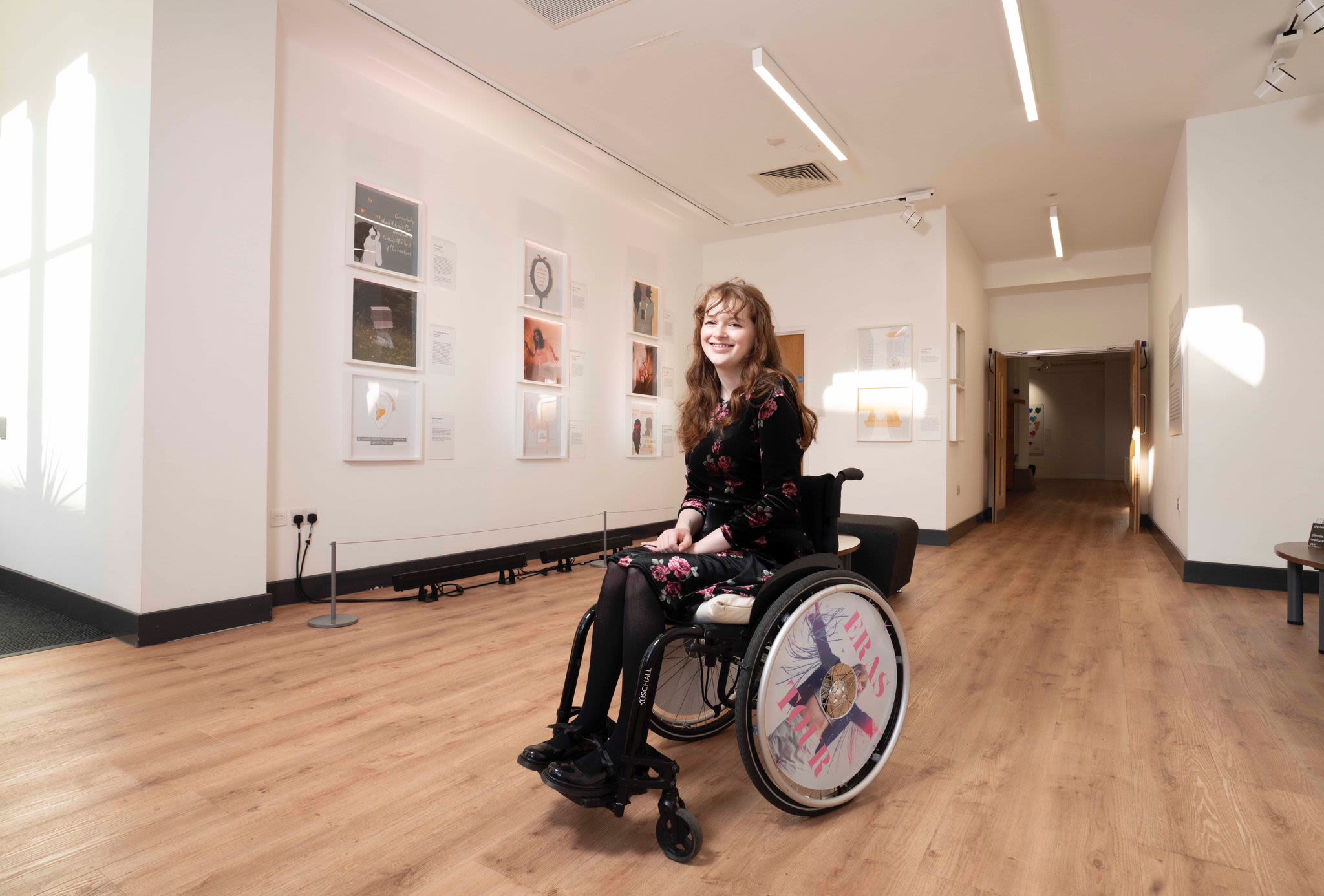
Artist Hope Caitlin went on to create a series of illustrative works and conceptual photography pieces as a direct response to these testimonies, in some cases incorporating key quotations from our diverse interviewees into the artworks. This artistic collection was exhibited in Bishop Auckland Town Hall in 2024 and now features in this digital exhibition hosted by Durham University.
The collection exists as a mark of unabashed honesty, inciting conversations around a topic that is too often treated as taboo, taking the viewer on a visual journey that may hold a mirror to their own life or invite a level of compassion previously abandoned in the post-Covid world.








There is a lack of acknowledgement that you are in fact a person, as multifaceted as the individual next to you, with the same requirements of dignity and respect as any human being. Voicing needs and struggles does not inhibit a talented individual from being a valuable asset.
Covid and the events that have surrounded this point in our history show us that inclusion and accessibility is not only possible, but easy to implement once the right people are at the forefront. We can turn the world upside down for one person, we can go the extra mile to make sure no one is left behind.
And more importantly we should, because there are so many amazing creators, inspiring teachers and wonderful people unable to share their gifts and lessons.
Imagine all the people that could change the face of this world and think about the great loss we are suffering everyday, by not making space for them.
As part of the exhibition, we have included individual testimonies to support reflection and dialogue around workplace disability inclusion. Alongside the artworks from the Invisible Visible collection, you will find extracts of the first hand accounts of the interviewees who shared their insight and perspective on being disabled in the workplace.

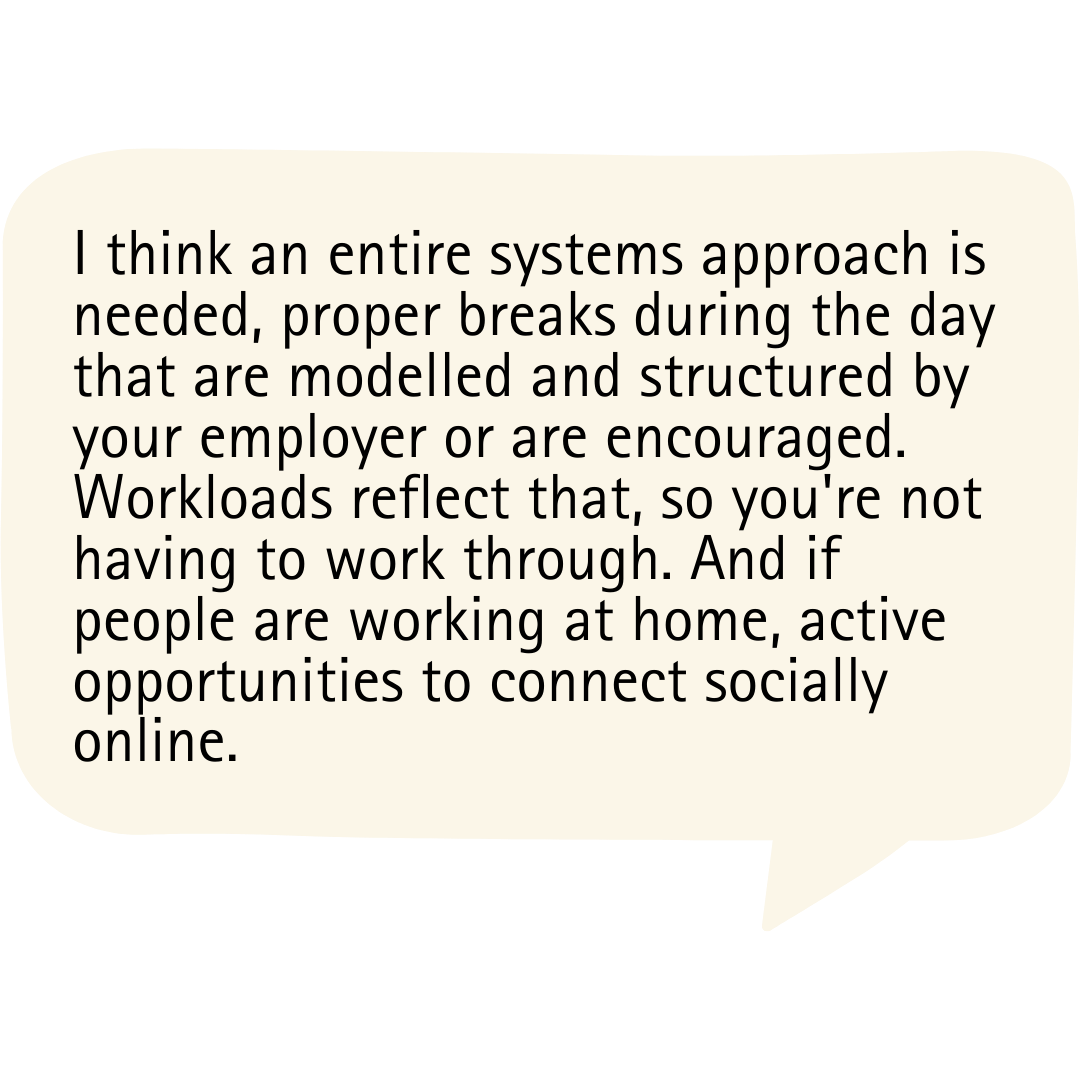
Academic specialising in domestic and sexual violence
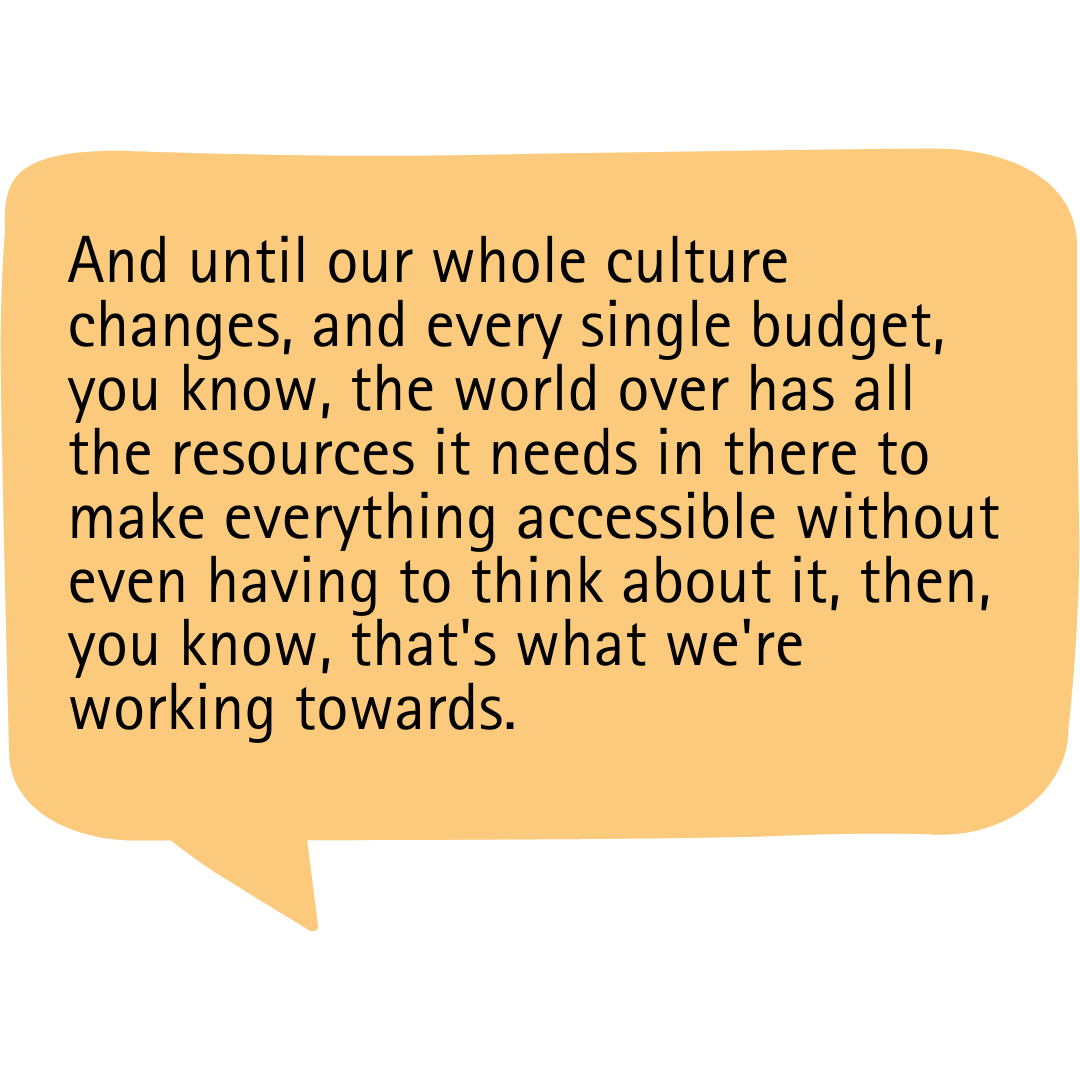
Dance production company manager and coordinator of Northeast Inclusive Dance Network

Broken Record
Hope Caitlin
Digital Illustration
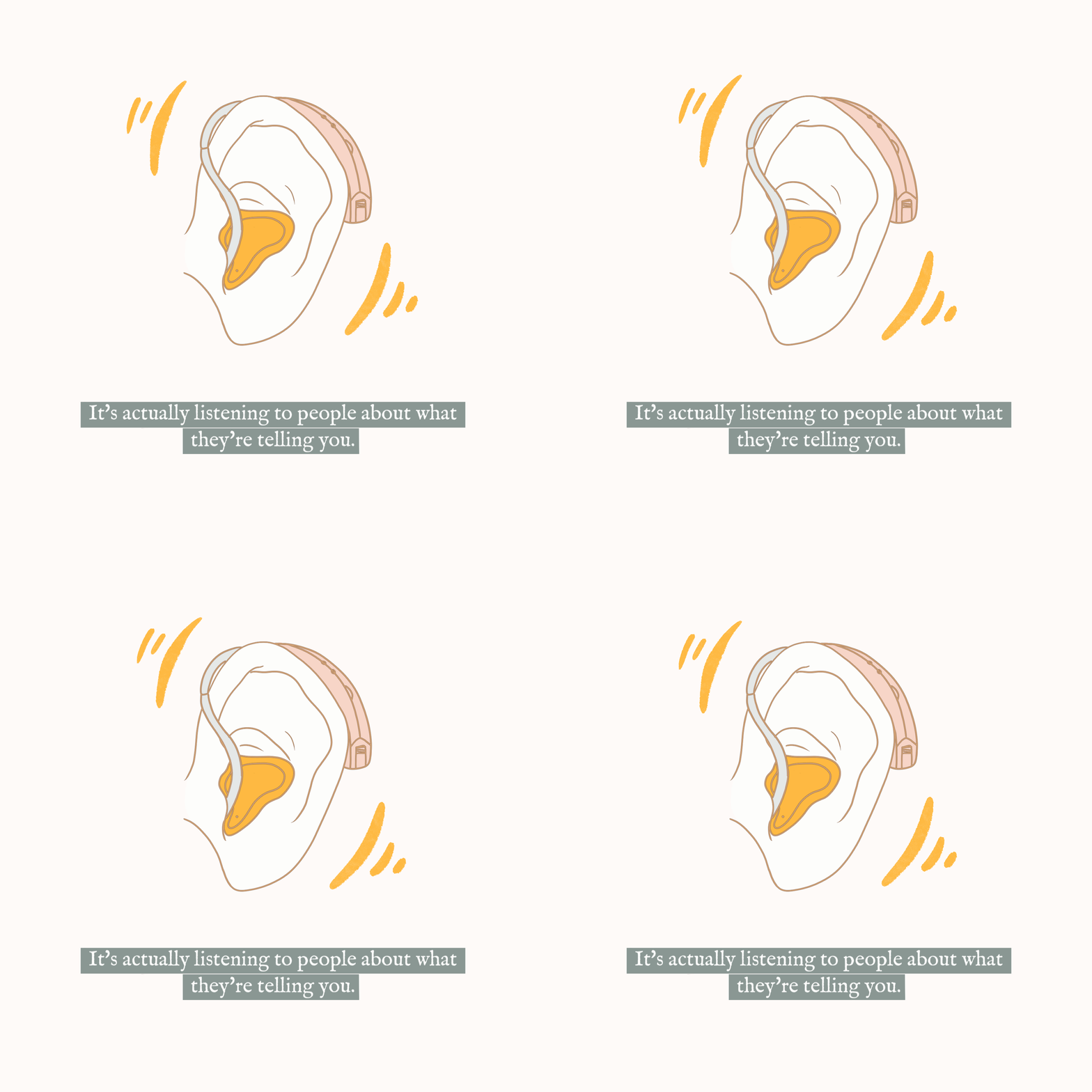
Broken Record is about truly listening, removing ego from the equation. Being ok with not knowing everything. It’s being vulnerable enough to be wrong and open enough to find new ways to make it right. When it comes to disability inclusion, not everyone is going to get it right first time: the trick is being willing to try again.


Thinking Inside the Box
Hope Caitlin
Photography
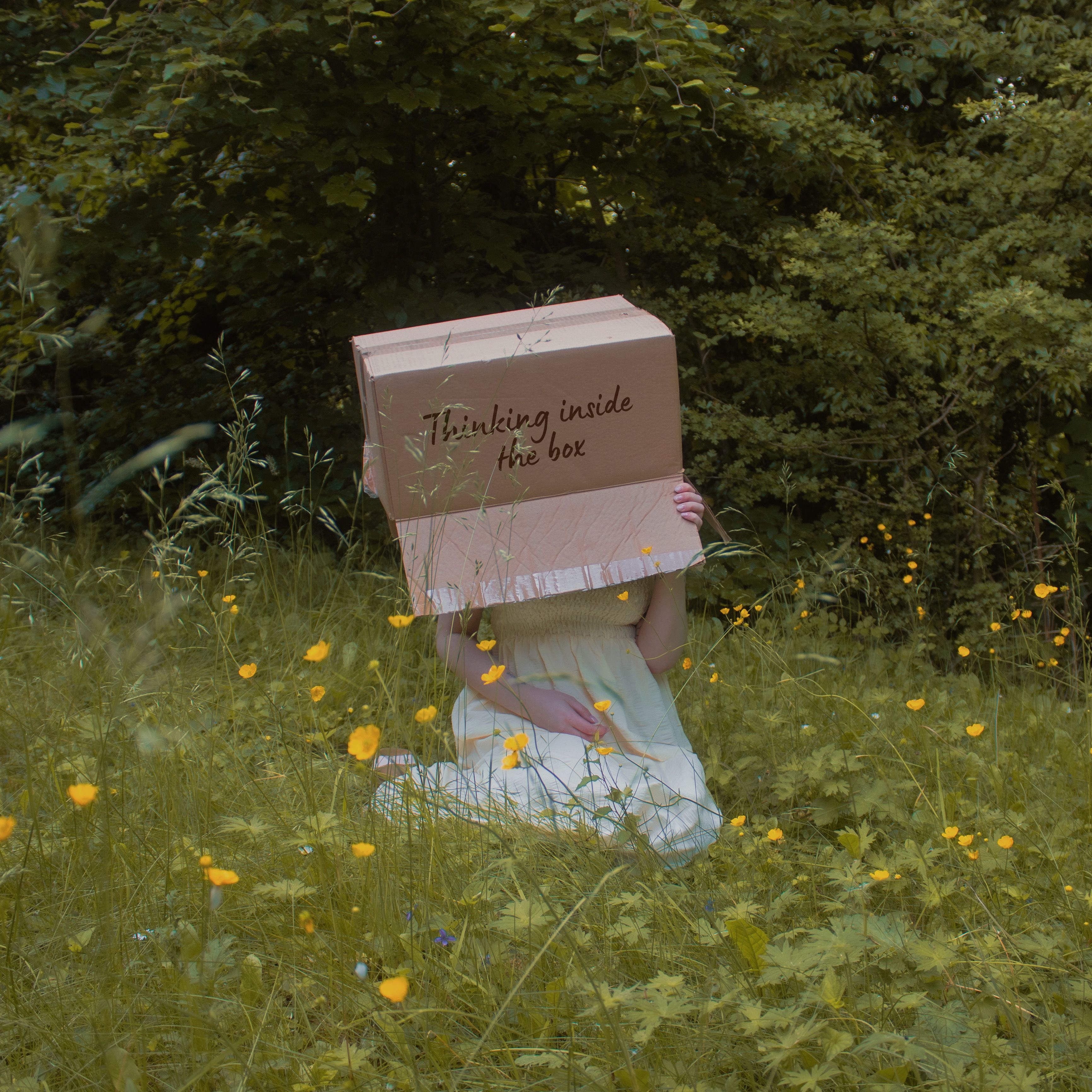
Disabled people often develop a highly astute capacity to problem solve and adapt to the unforeseen, making the most of everything they have within their ‘box.’ This way of thinking can be applied in organizations, not just an individual’s life, creating unique and previously unthought-of ideas and concepts that could strengthen projects, activities, teams and organizations. This reinforces the reality of how we must shift to value people within their limitations, instead of viewing them through a deficit lens: to the benefit not just of individuals but our organisations too.
Expectations
Hope Caitlin
Digital Illustration
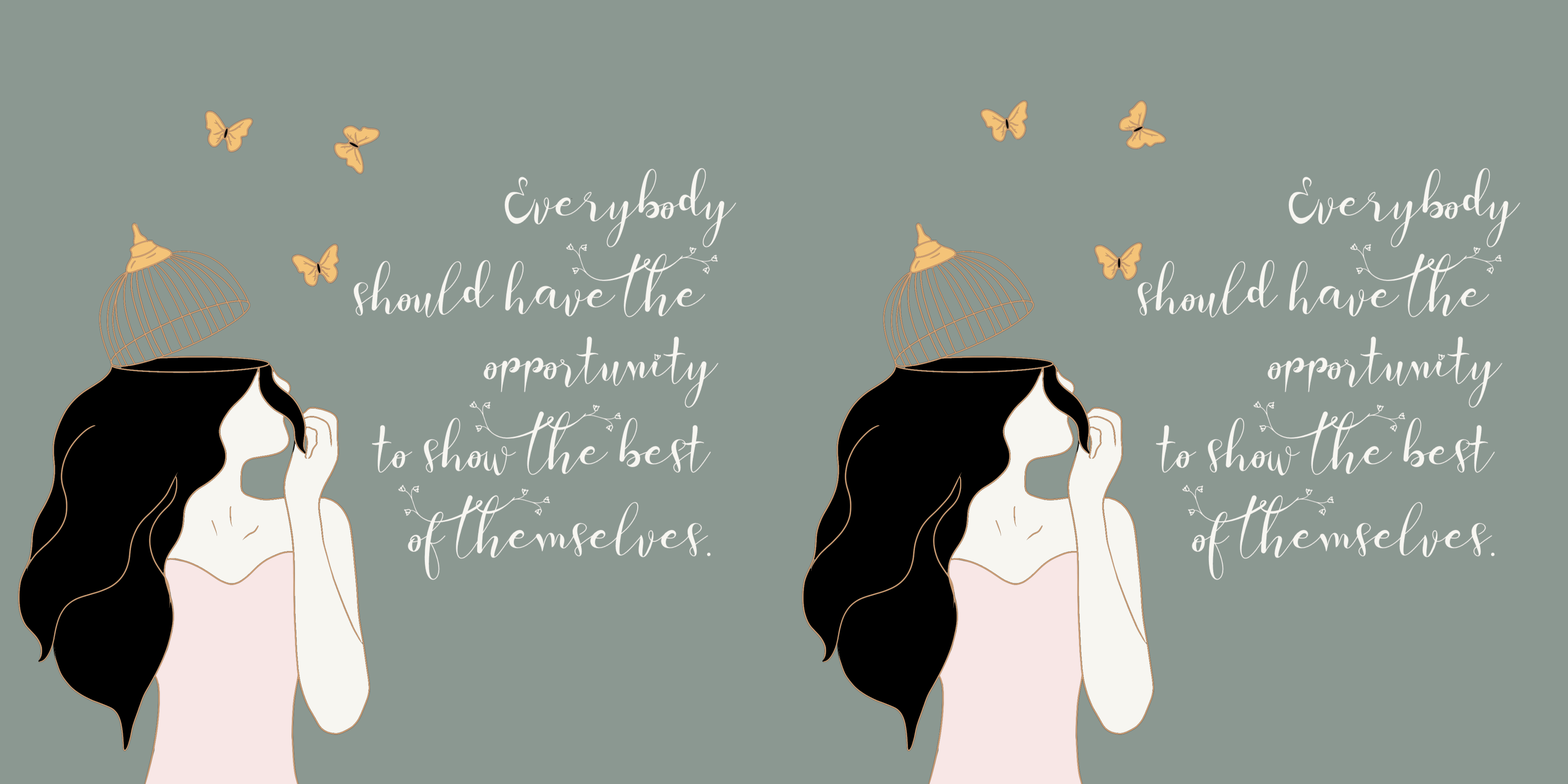
TThere is a consistent pattern of underestimating people during a first impression that deeply affects the disabled community. Those who present with obvious physical differences or those who disclose hidden illnesses and mental health issues are automatically perceived completely differently than their able-bodied counterparts. So many are written off before they can even begin to demonstrate their skills, no matter their qualifications and experience. Organisations lose what could have been a valuable employee, all from discriminatory and ill-founded assumptions.
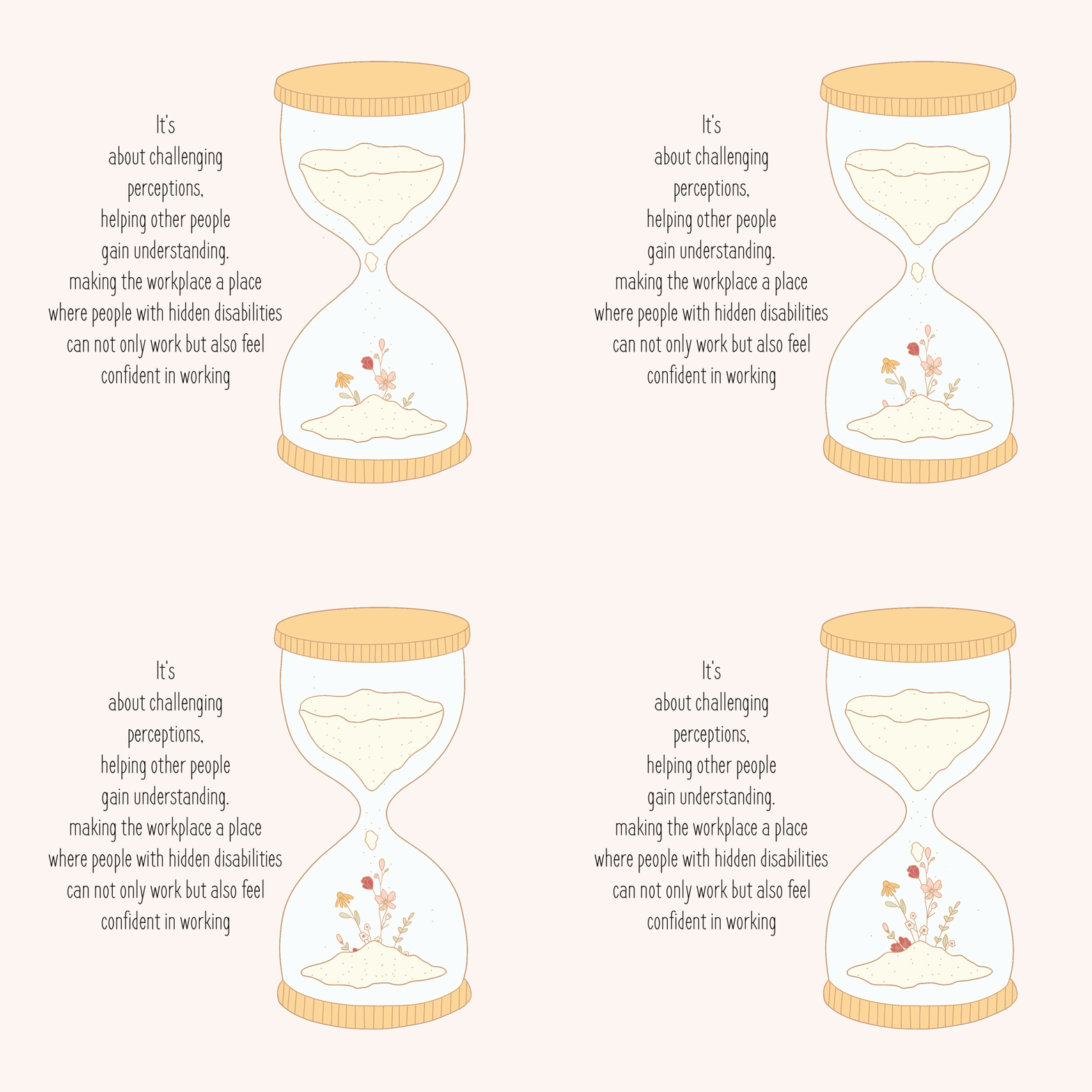
It's about challenging perceptions. It's about helping other people gain understanding. It's about making the workplace a place where people with hidden disabilities can not only work but also feel confident in working.
- Disabled business owner -


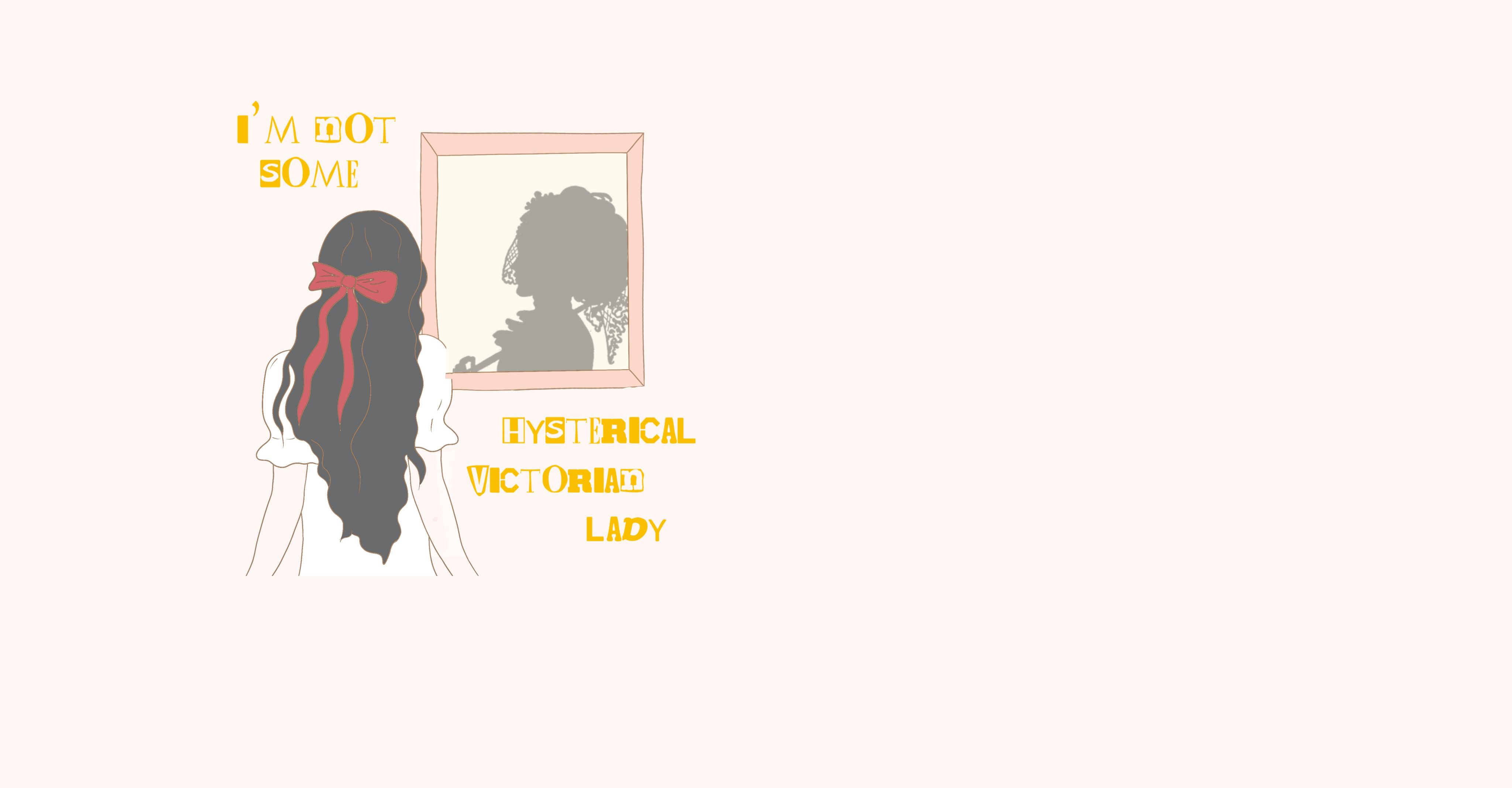
Hysterical Victorian Woman
Hope Caitlin
Digital Illustration
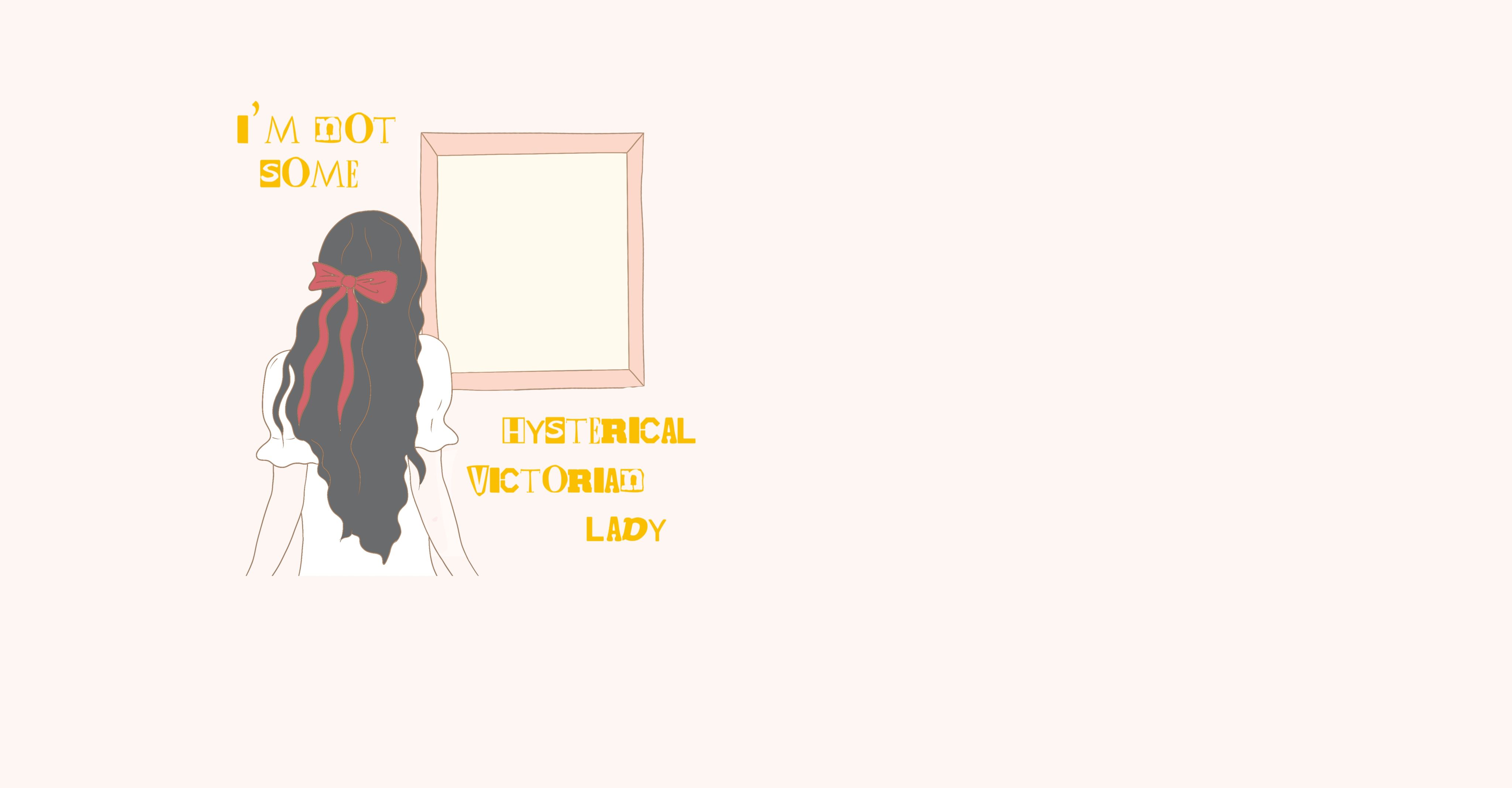
‘Hysterical Victorian Woman’ represents an unfortunate kinship and commonality in the experiences of women in the health sphere, often being brushed off and dismissed with misogynistic platitudes. This can also have a knock-on effect with men in the workplace being less likely to ask for help.

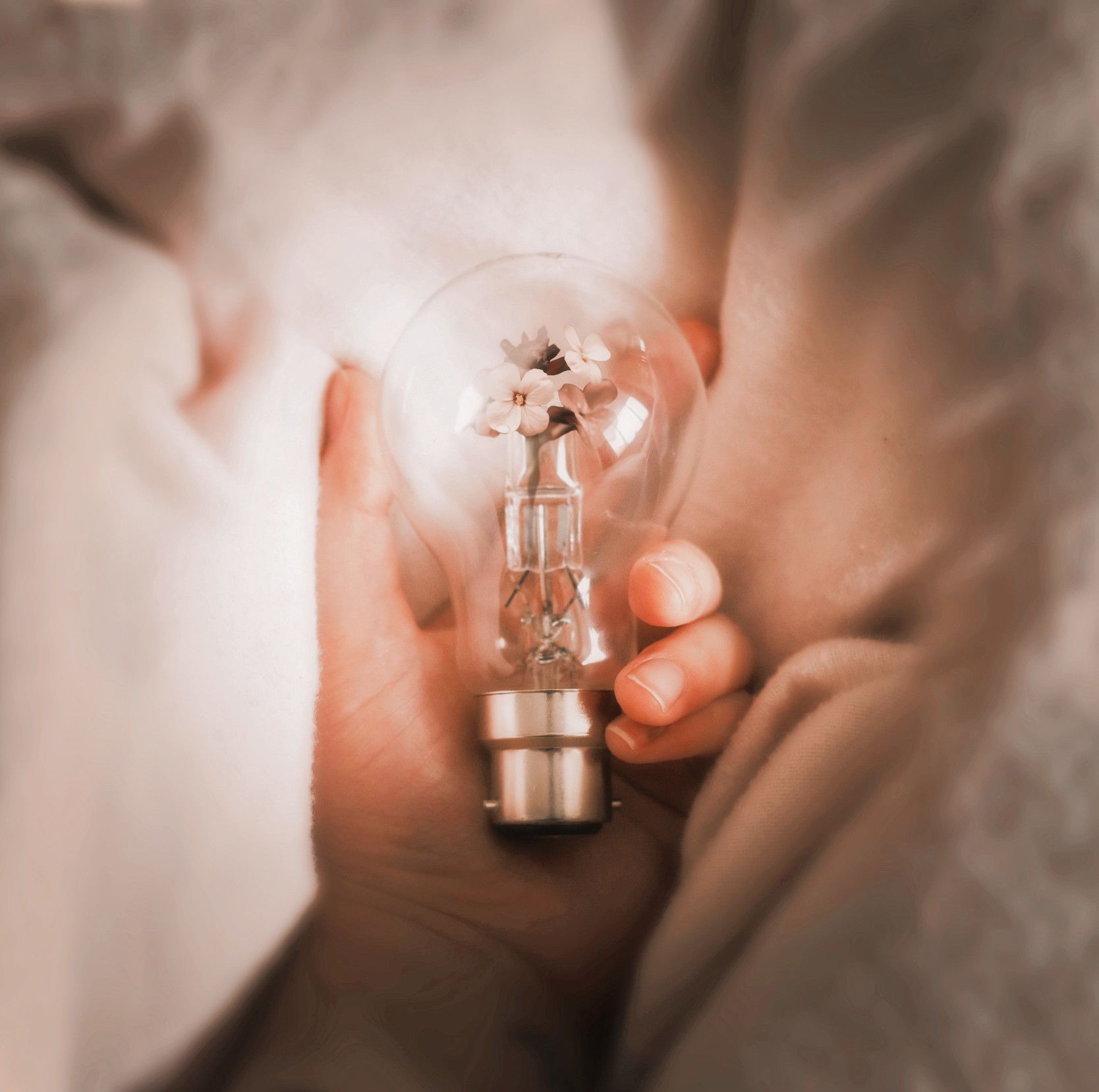
Let The Light In
Hope Caitlin
Photography
While it feels hard to step out and open a public door on your inner turmoil, open conversations around personal experience are invaluable to those facing similar experiences. There is a lighter feeling when truth has time to grow in a place that was previously stifled under the guise of ‘just getting on’ and having a ‘stiff upper lip’.

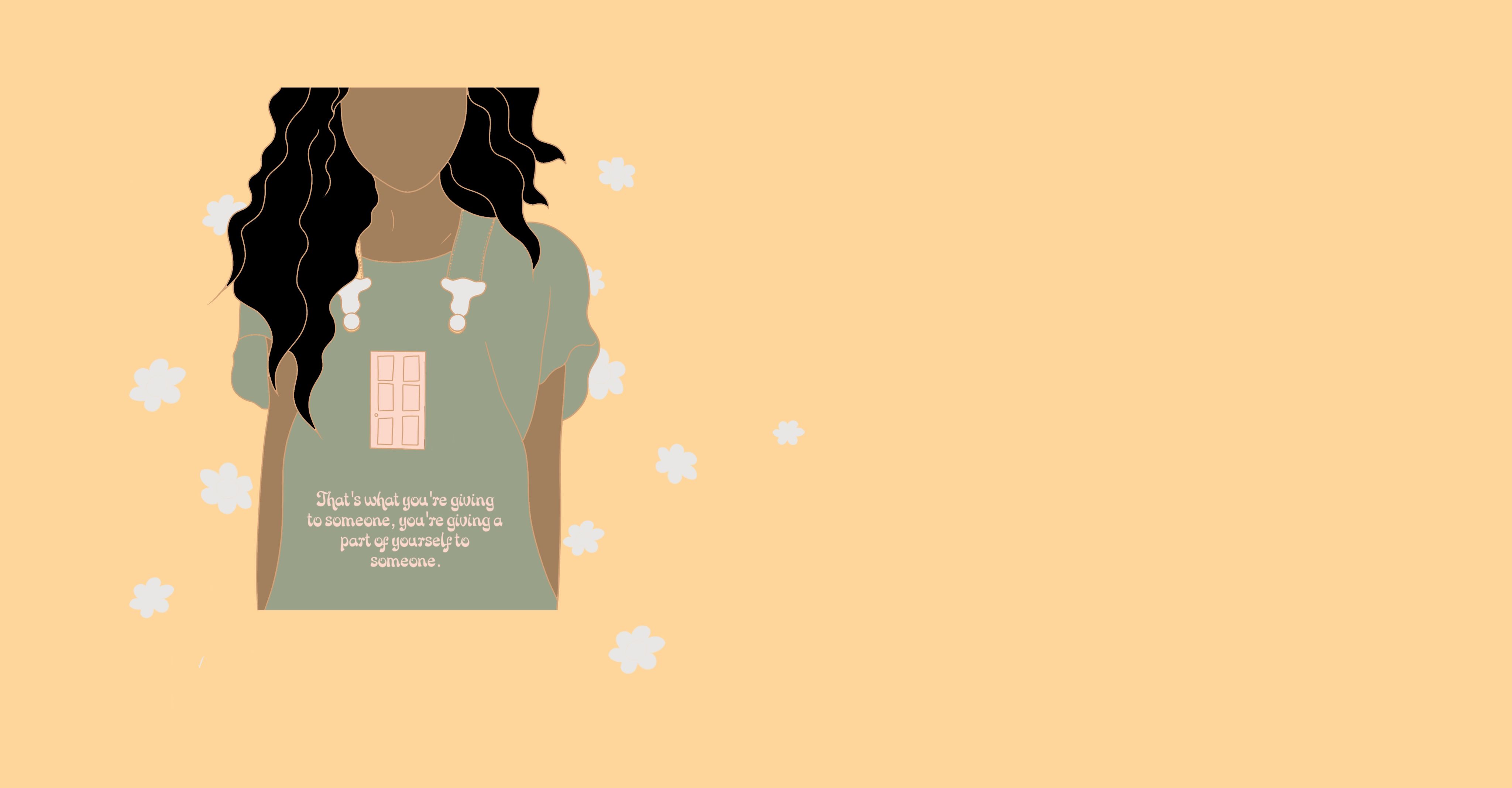

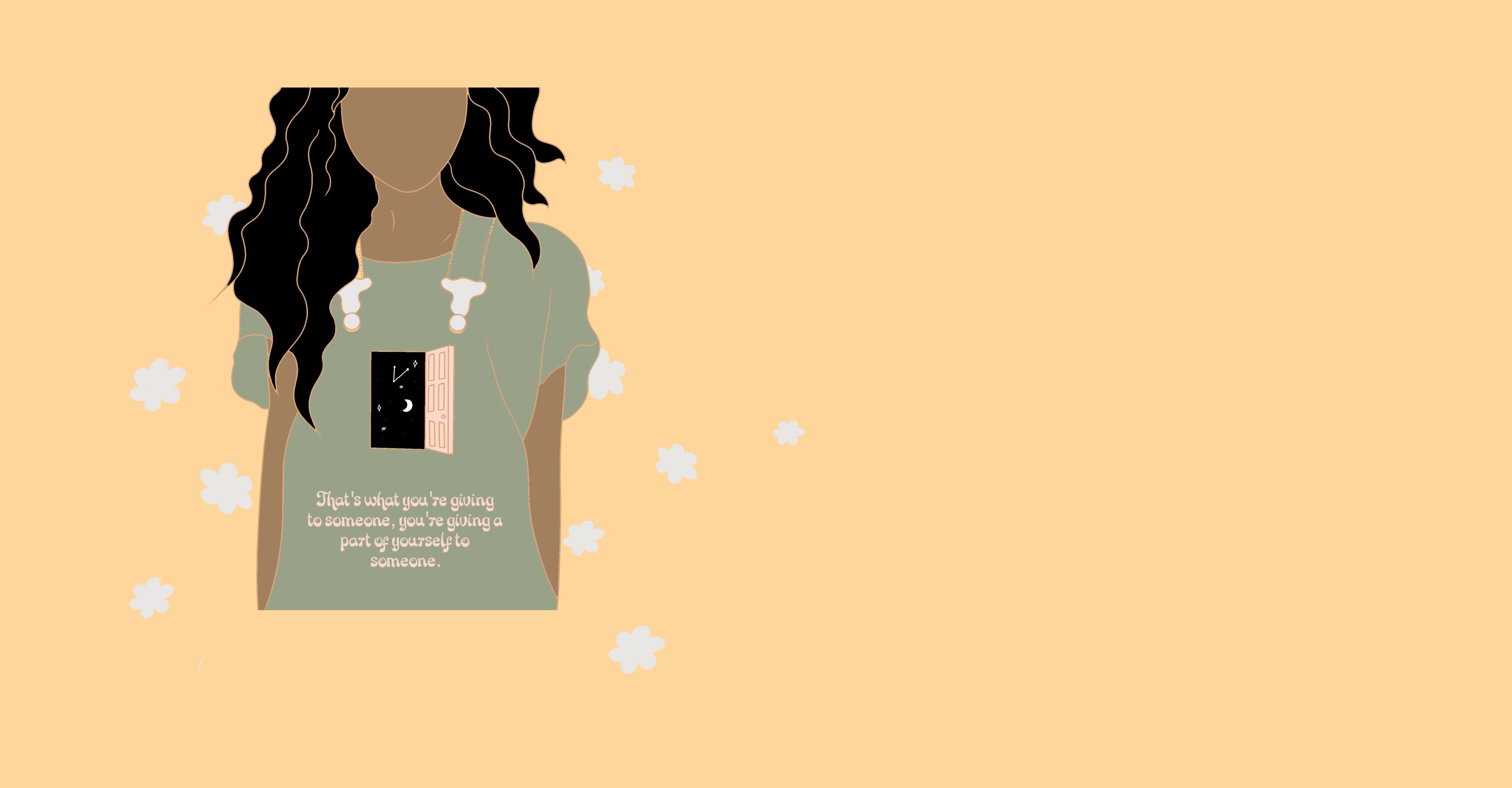
A Part of Yourself
Hope Caitlin
Digital Illustration
'A Part of Yourself' details the feeling of vulnerability that can arise from talking about disability and chronic illness: a stigma that follows people and creates a culture of suffering in silence. It can be confronting to have to face our own fragility.
But, if we could make the world in general more open and accessible, it wouldn’t have to be such a scary prospect for those who struggle. A more nurturing and care oriented world would only see a benefit to institutions, creating a more humane way of relating to one another in the context of work.
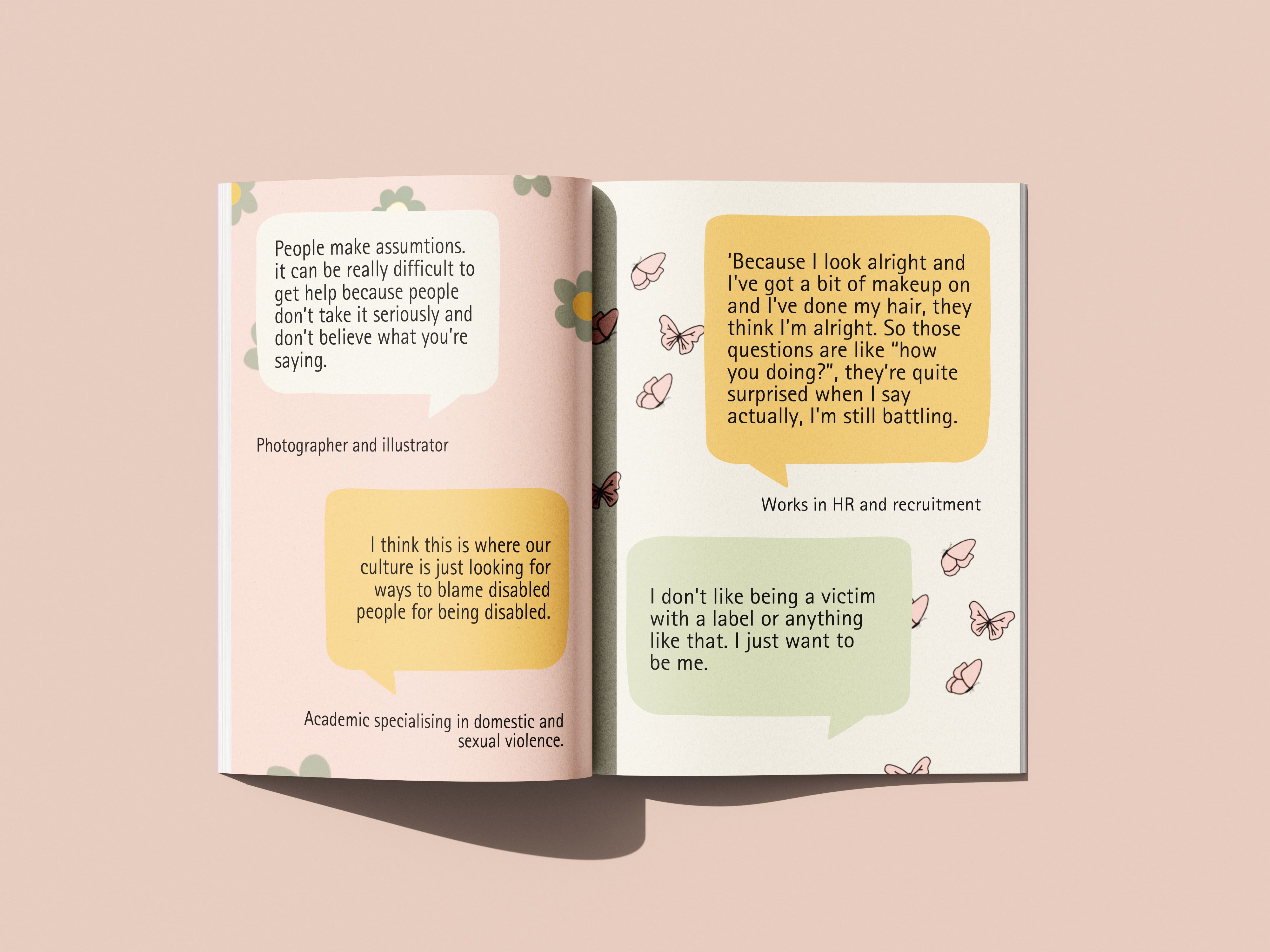
Just on a personal level, like I just have so many aspects of my embodiment that are complex and joyful or painful but yes, the language of disability doesn't quite cover that.
- Academic specialising in domestic and sexual violence -
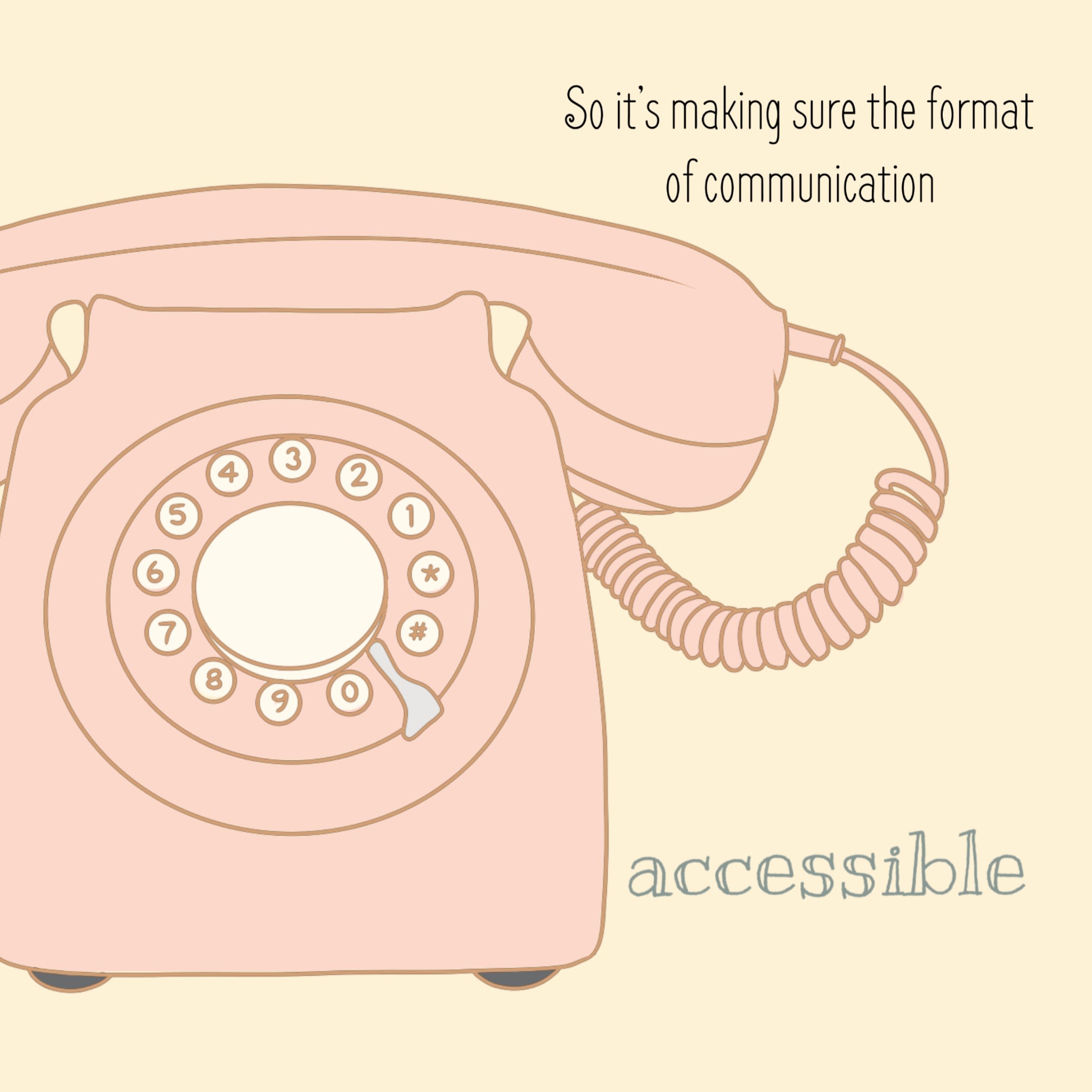
Finding A Way
Hope Caitlin
Digital Illustration
Effective communication is inclusive of everyone but sometimes the very people that champion inclusion forget what that actually entails: it’s a process of listening to what people need, to their stories and struggles, to be humble in the lack of knowledge and use that as a strength to relentlessly learn. Accessibility in a world directly geared against it will always be a challenge. To meet this, we must demand and create access together across our infinite and wonderful diversity.
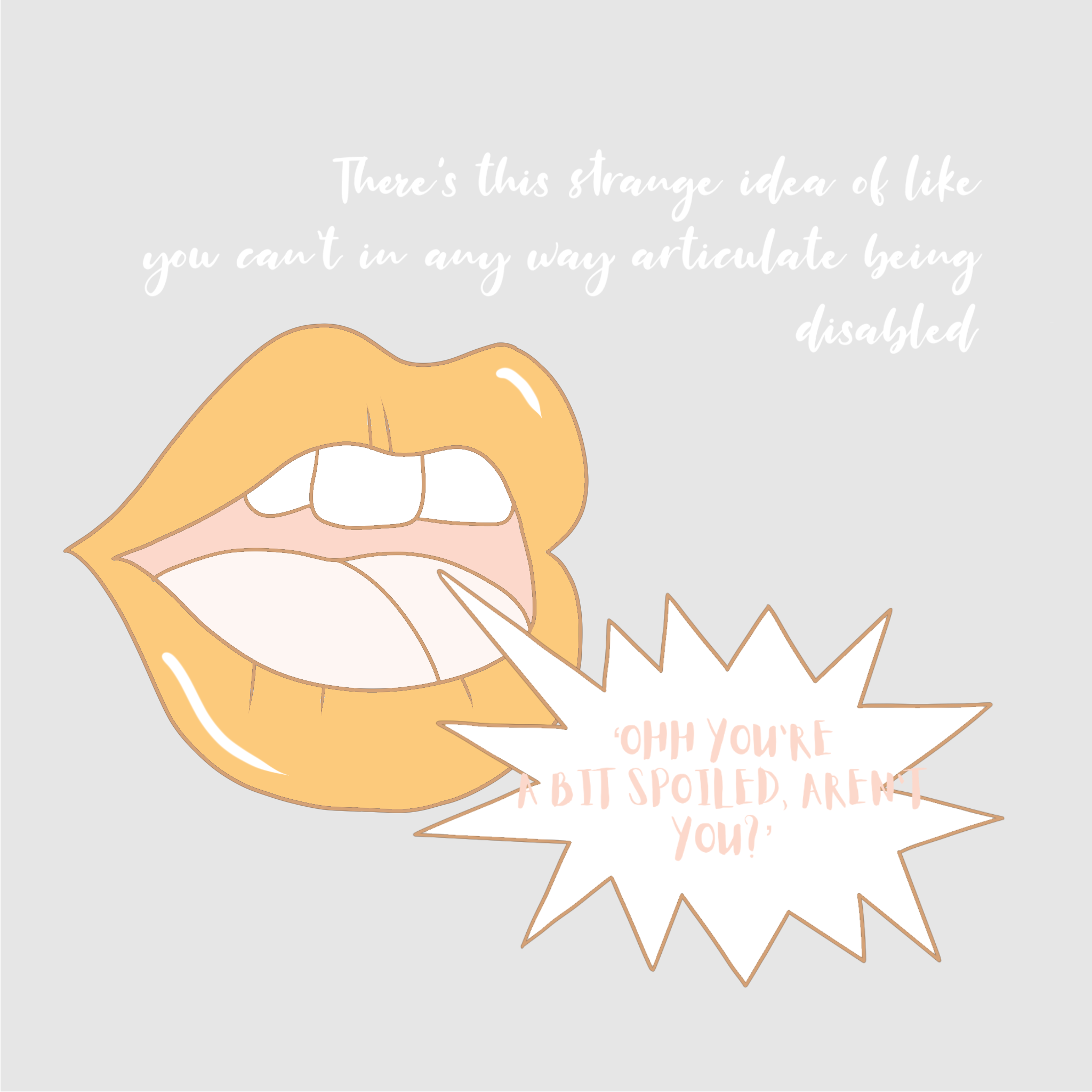
Spoiled
Hope Caitlin
Digital Illustration
It can feel incredibly vulnerable to voice required adaptations due to the culture of our current world. Requests for adjustments can be seen as preferences, as if you’re just being fussy, rather than as important requirements to enable you to access the space. In making accommodation for those with disabilities, we have the potential to benefit everyone.

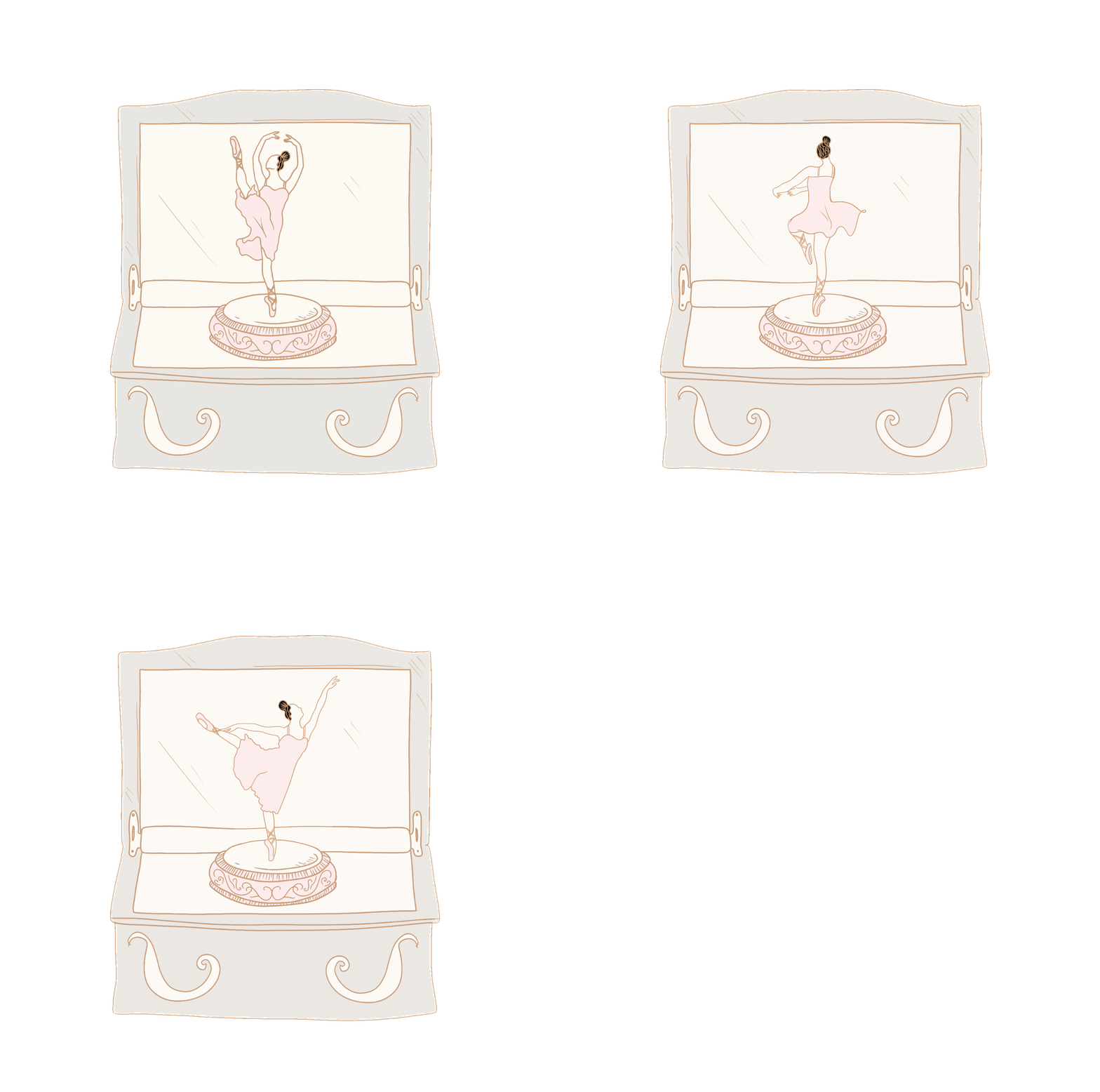
Stage Fright
Hope Caitlin
Digital Illustration
Representation in the media is sometimes the first step of incremental change that comes to define a progressive world. It allows people to see for themselves that their voice is a valued thread in the fabric of society and gives them permission to be seen and perceived in their authentic and, sometimes vulnerable, state.
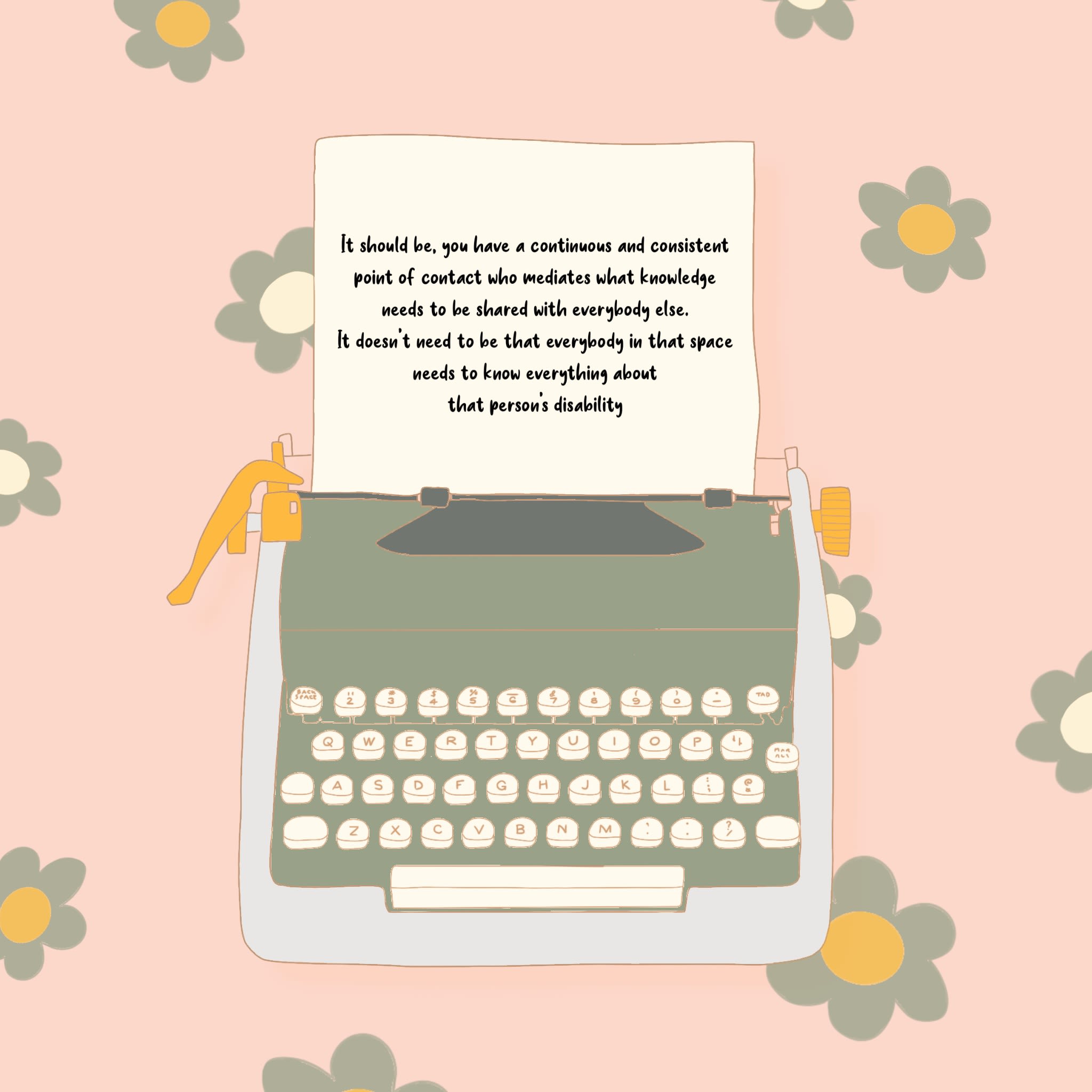
Your Own Terms
Hope Caitlin
Digital Illustration
This piece highlights the importance of dignity and choice. Discretion is still an important part of open dialogue, no one is ever owed anyone’s medical information in order to make accommodations. Part of having more compassion in work settings is respecting an individual’s boundaries.



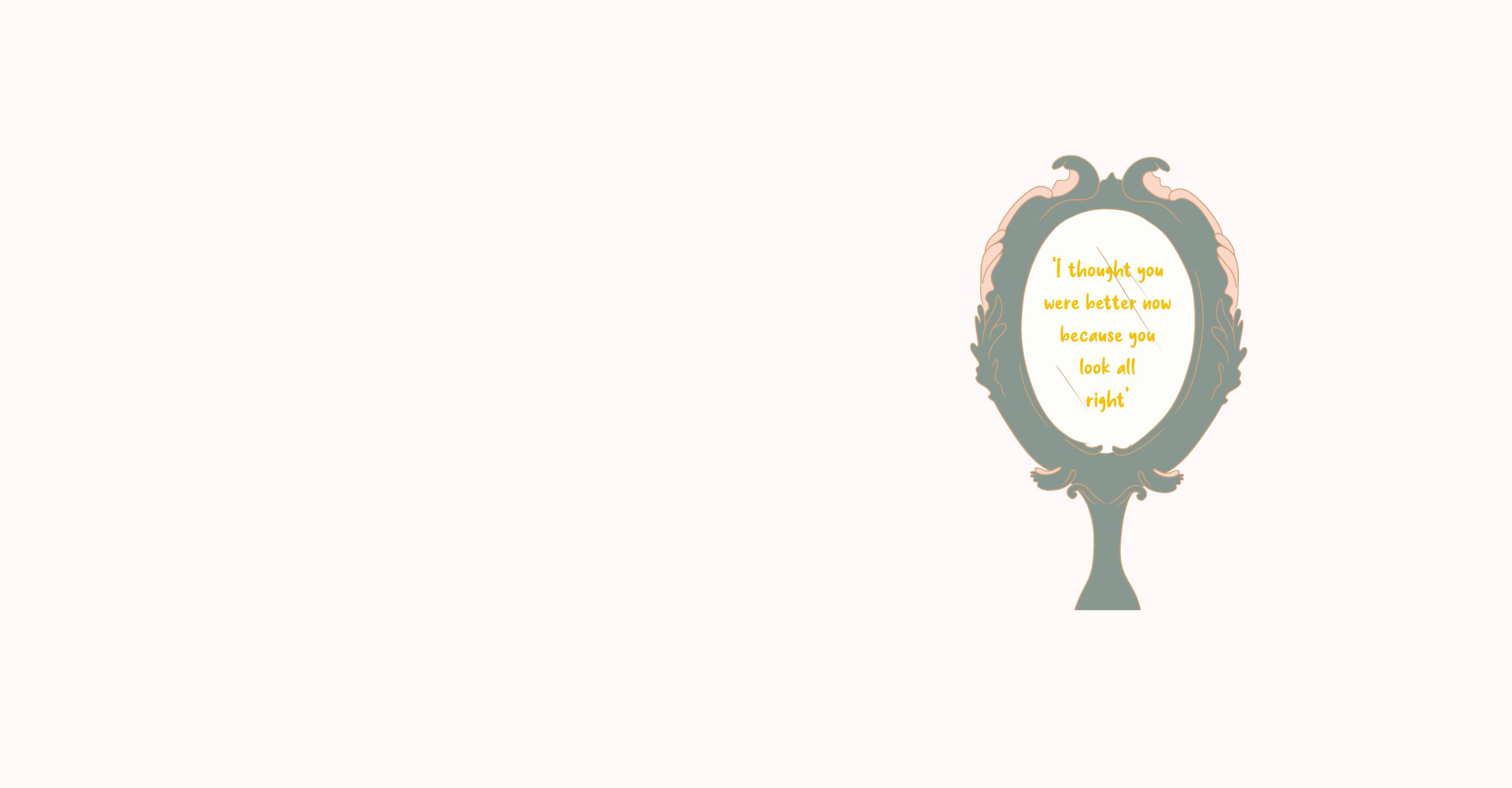
You Look Alright
Hope Caitlin
Digital illustration
'You look alright’ is a phrase often hurled at those who have a fluctuating illness, experience a wide variety of symptoms day to day or whose challenges are not on public display. “Invisible” presentations and the assumptions others therefore make about your state of health and need, can contribute to the exhausting effort of continual explanations, justifications and masking of your challenges.
Because I look alright and I've got a bit of makeup on and I’ve done my hair, they think I’m alright. So those questions, “How you doing?”, they’re quite surprised when I say “Actually, I'm still battling.”
- HR and recruitment expert -

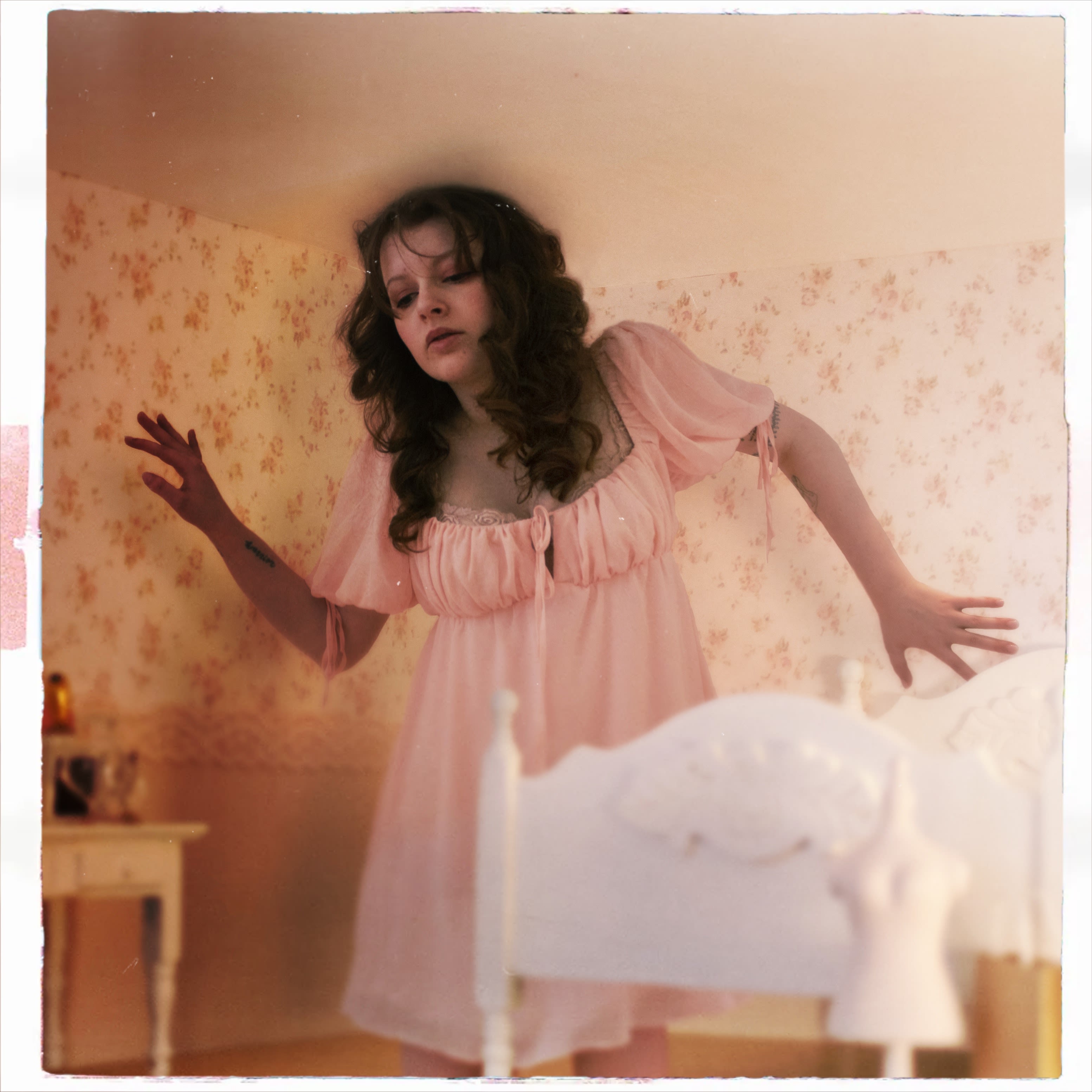
Behind Closed Doors
Hope Caitlin
Photography
This image represents the isolation that can come from disability and chronic illness, leading to feeling misunderstood and under-valued in the world. The girl trapped in the doll's house summons up a sense of the invisible (to the outside) struggles many face and the all-pervading feeling of entrapment when you are unable to leave the house for weeks, months or years on end.
Disability for so many people is such a hard thing to confront and people experience so much disgust thinking about other people & disability, and employers see it is not in any way viable for the organisational health, because its just a living reminder that we are mortal bodies and we can’t literally be the machines that most major organizations would probably like to employ in the long run.
- Academic specialising in domestic and sexual violence -

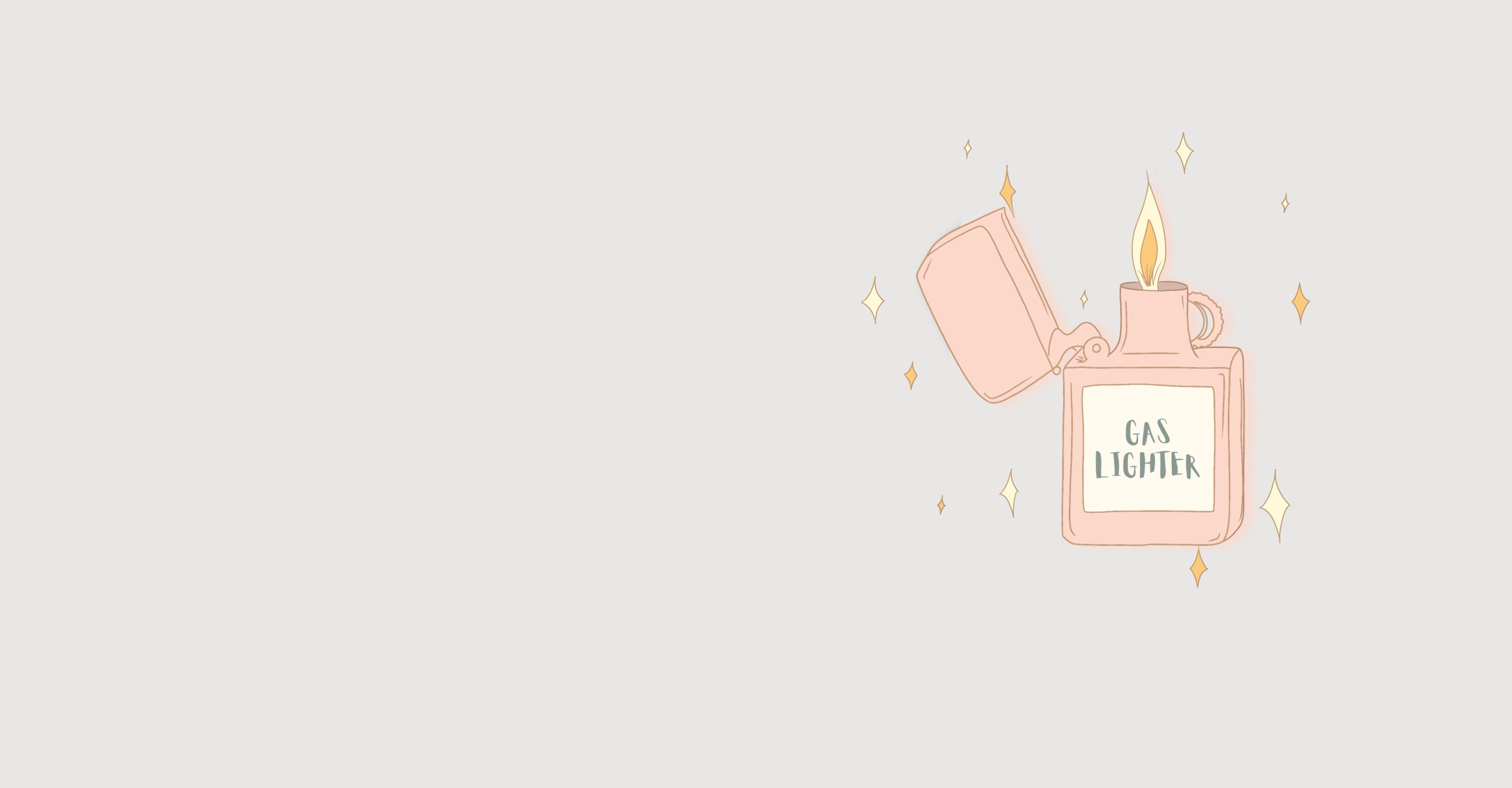

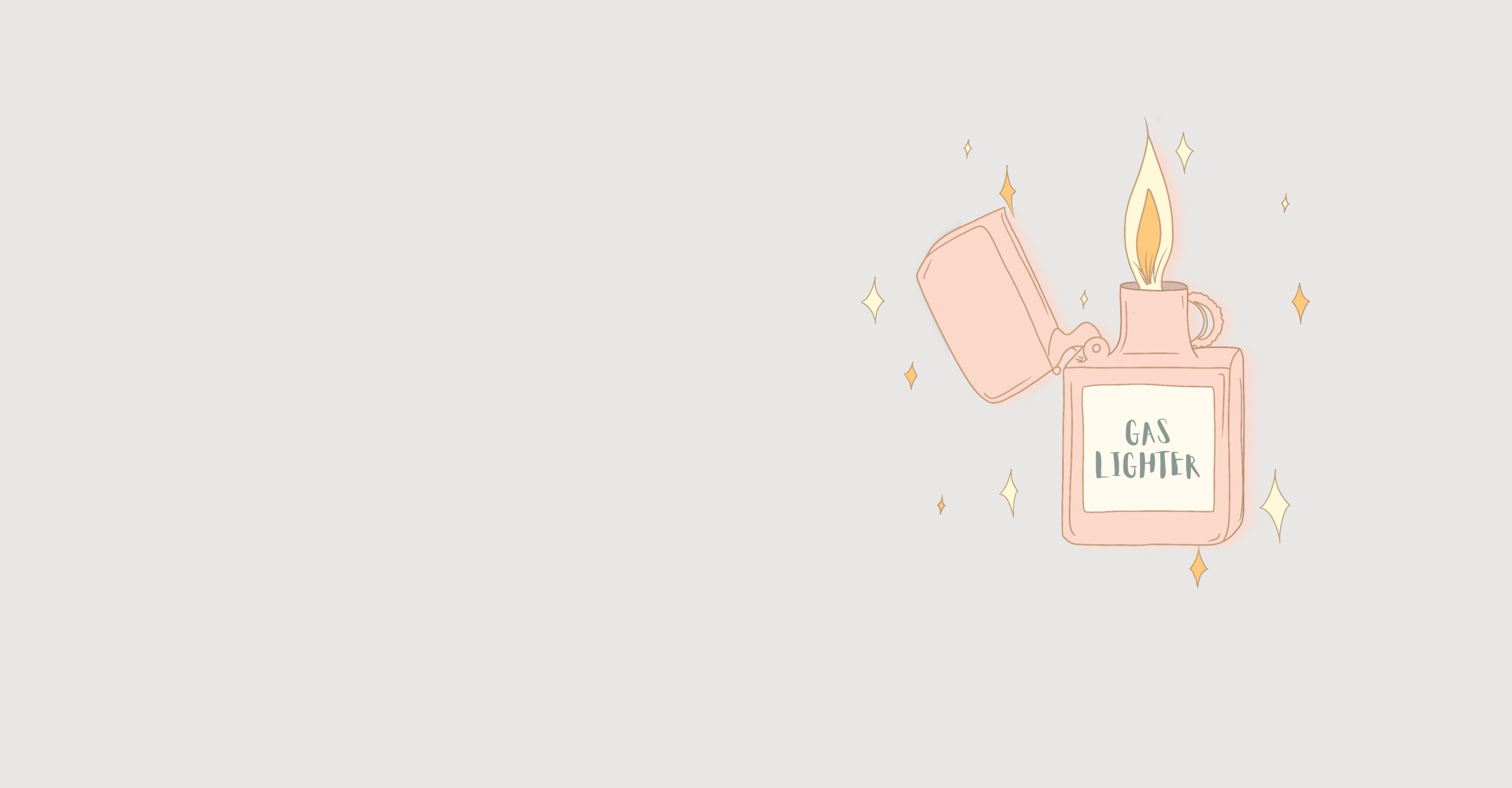
Gas Lighter
Hope Caitlin
Digital illustration
'Gas Lighter' communicates the all-too-common experience of doubt and disbelief from others when a person ‘appears fine’ while dealing with ill health and/or disability. The barrage of small, undermining remarks and constant disbelief can worm their way into a person’s mind, leading them to doubt their own experiences and become more and more isolated over time.
The future is accessible.

A Job Well Done
Hope Caitlin
Digital Illustration
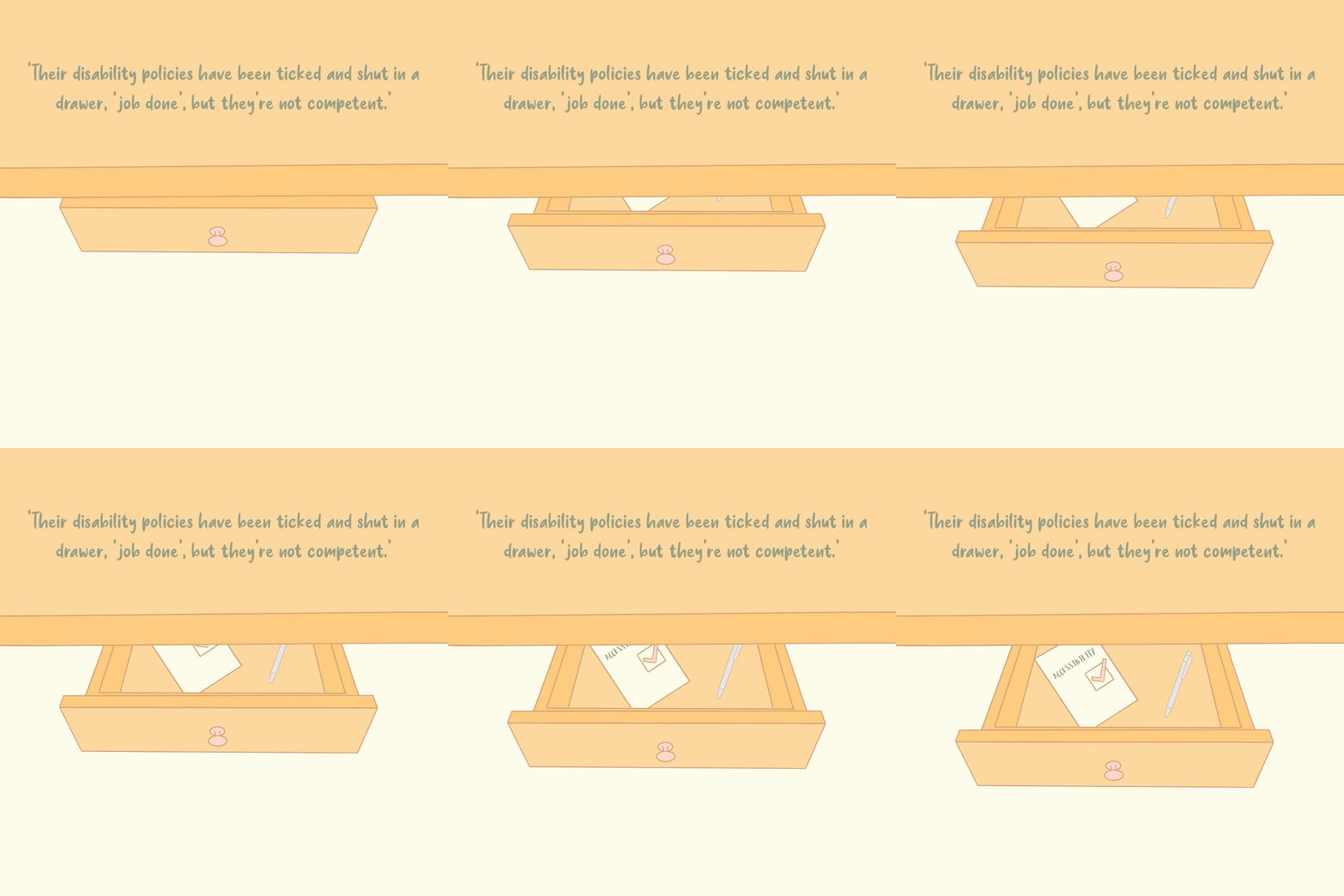
There is a pattern within certain businesses of employers writing a disability policy purely to tick a box and never put it into practice within the everyday work environment. This results in no real benefit for anyone.

Unwanted
Hope Caitlin
Digital Illustration
It’s easy to fall into the role of being meek, apologetic and overly grateful as a disabled person when being reluctantly accommodated. The received message is that you are an inconvenience… like you’re not really wanted.
More Than You Think
Hope Caitlin
Digital Illustration
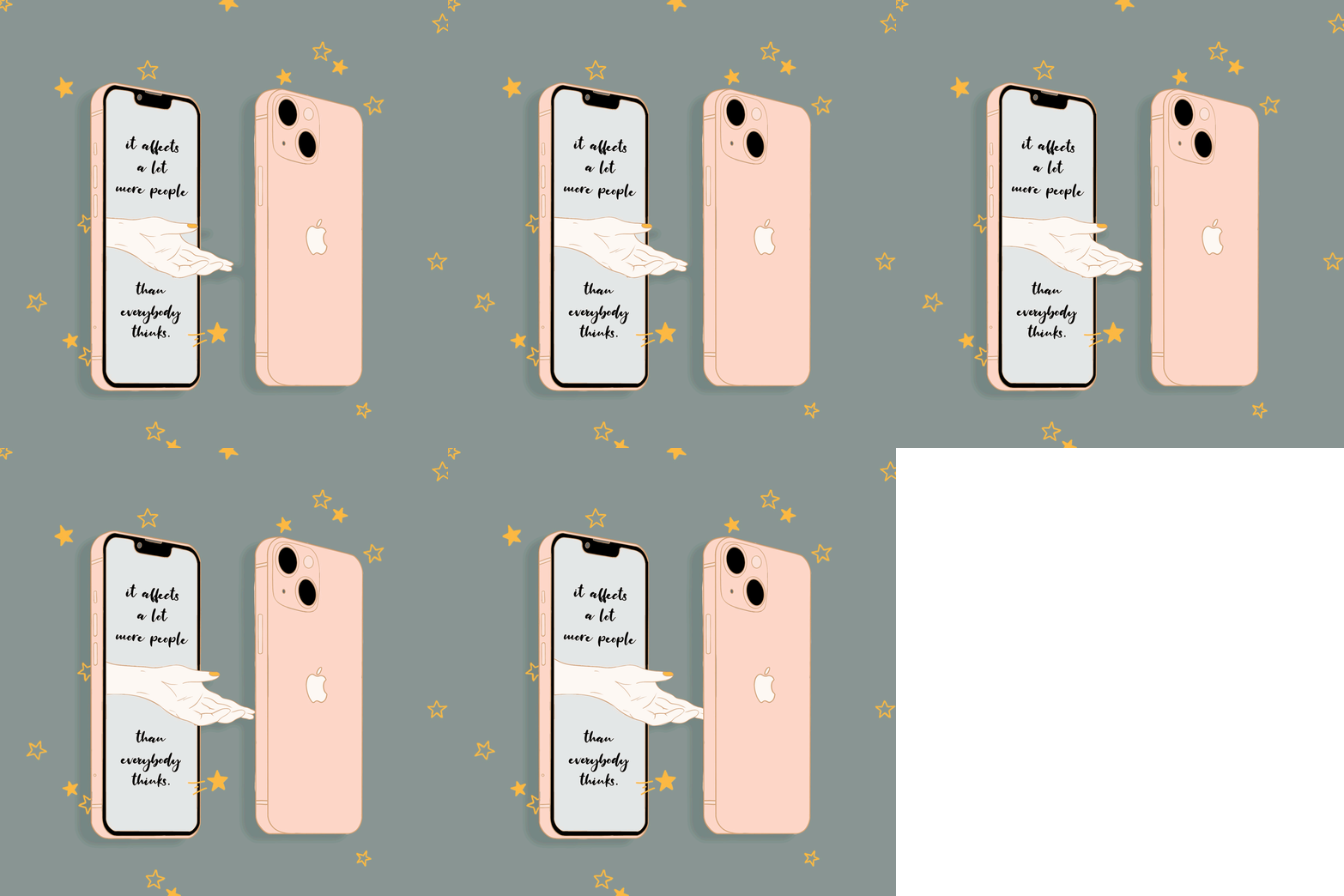
‘More Than You Think’ is a reminder that there remains a lack of understanding in the world on the definition of disability and how many people can, are and will be, personally affected. Preconceived notions and negative ideas prevent people from describing themselves as disabled and harnessing a label that could help them live their lives in a fuller way.
It's one of those minority groups you can become a part of at any time in your life.
- Photographer and illustrator -
Masking
Hope Caitlin
Digital Illustration
The need for a more supportive open culture is one that is felt by many, not only for those who are part of the disabled community. Individuals need to feel heard, to be able to express what they need free of judgment and negative consequences.
A safe and open-minded environment would only benefit organisations in the long term, with individuals more attuned and motivated in the workplace, no longer wasting indescribable energy masking the reality of what they are experiencing.
What now?
If you have found this content helpful and would like to share with your colleagues, staff or friends, we have created a printable booklet version that additionally includes space for you to write or draw your thoughts on a series of questions we have posed, allowing an opportunity to reflect on what we can take from the imagery and lived experience testimony.
We want this booklet to be a living document, a dialogue, a space to invite change, whether that means the empowerment of an individual managing their own invisible disability working out what they would need to really thrive at work, or an employer or manager considering how to enhance the inclusive practice in their workplace.
If you would like to order any copies (or would be interested in any of the artwork featured in this digital exhibition being reproduced as posters you can display in your workplace), get in touch with Hope below:
- hopecaitlinphotography@gmail.com
If you would be interested to learn more, or let others know about what they can access, get in touch with Lisa:

We have also developed two workshops based around the Invisible Visible artwork and testimonies. Both workshops use the Invisible Visible content as a creative way to explore our understanding of disability in the workplace, considering the challenges faced by those with experience of disability but also the unique contribution they are able to make.
Empowerment Workshop
Have you ever felt lost as a disabled person attempting to communicate your boundaries and limitations to clients, colleagues and employers? This workshop will:
* Create a safe supportive space to foster conversation alongside people with lived experience
* Build your confidence to articulate your value and create your own personal work-with-me guide - a document that will feature your accessibility needs and describe what working alongside you may look like
* Enable you to connect with like-minded individuals to grow your support circle


Management Workshop
Reimagine disability to enable your staff to thrive. This workshop will:
* Foster a deeper understanding between professional leaders and disabled employees, creating a space of safe and inclusive communication
* Enable you to recognise the invisible barriers that prevent your disabled employees from thriving
* Identify actionable steps to improve work life balance as it pertains to disability and chronic illness
If you would be interested to learn more about these workshops get in touch with Lisa below:


This project has been made possible with help from Changing Relations CIC. The original exhibition was funded by Creativity Works and Durham County Council. Further support from Durham University.
Special thanks must go to Alix Collingwood, David Wright and Debbie Connell for all of their support, patience, kindness and belief.
|
|
|
|
|





 Built with Shorthand